
A Sustainable Approach to Paint Water Disposal for Artists
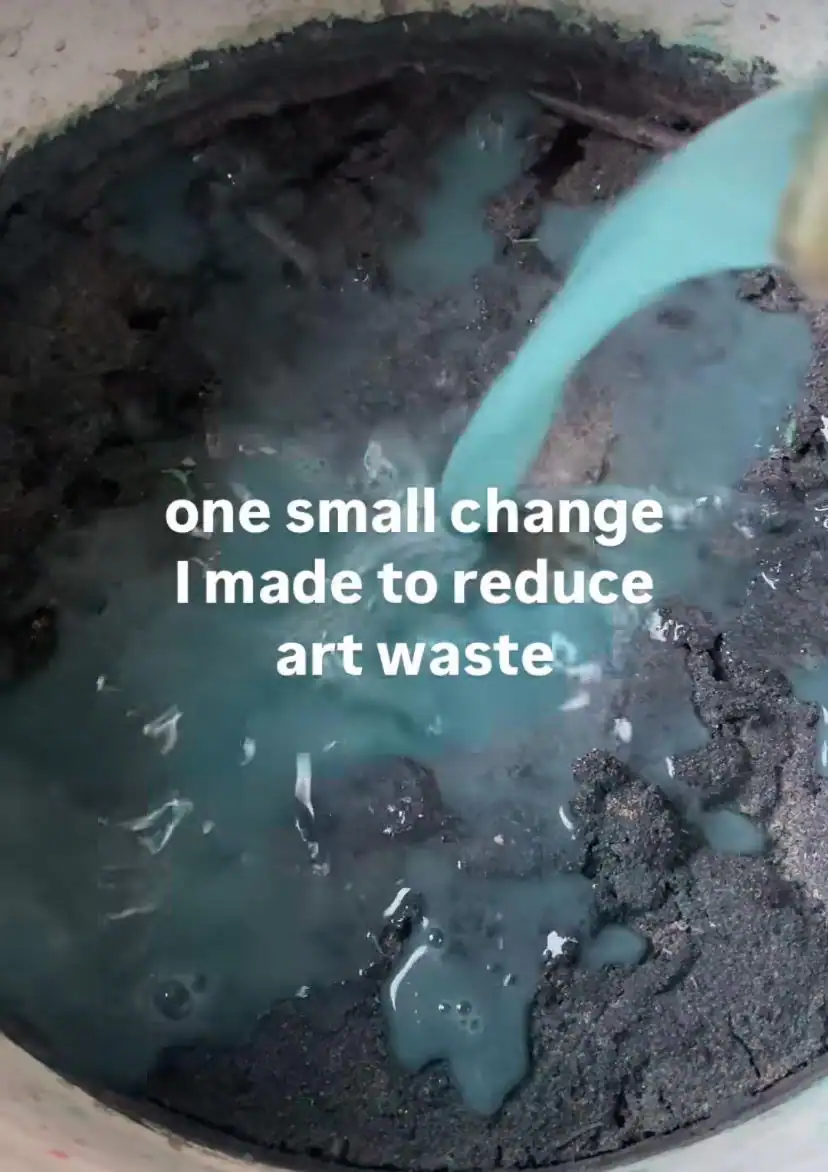
Why I Ditched the Drain
As an artist inspired by nature and beauty, sustainability has become an essential part of my creative process. One small yet impactful shift I’ve made is rethinking how I dispose of my paint water. For a couple years now, I’ve stopped pouring it down the drain and instead use a simple, eco-conscious method that protects both my plumbing and the environment.
This practice isn’t perfect, but it’s easy to adopt, low-cost, and makes a meaningful difference. Below, I’ll share exactly how it works, why it matters, and how you can try it in your own art studio.
Why Proper Paint Water Disposal Matters
When paint water goes down the drain, it carries with it a mix of chemicals that can pose serious risks to both plumbing systems and the environment.
Environmental Concerns
Acrylic paint water contains synthetic polymers, pigments, and additives that do not break down easily. When poured down household drains, these substances can pass through wastewater treatment systems and end up in natural water sources like rivers, lakes, and oceans. Over time, these chemicals can bioaccumulate in aquatic organisms, disrupting ecosystems and even affecting human health through the food chain.
Plumbing and Infrastructure Issues
Pouring paint water down the sink can also lead to long-term damage in your home or studio. Paint residues tend to harden inside pipes, potentially causing blockages and expensive repairs. On a larger scale, this contributes to strain on municipal wastewater systems.
Adopting an alternative disposal method not only helps the planet, but it also protects your space and saves you future headaches.
My Method: Using a Sand Bucket for Paint Water
Instead of rinsing my brushes in the sink, I use a large bucket filled halfway with clean sand. I pour paint water into it, allow the water to evaporate naturally, and dispose of the dry residue as needed. This method has served me well and has become a regular part of my creative rhythm.
Why It Works
- Protects pipes: Prevents clogging and buildup
- Reduces environmental impact: Keeps paint water out of waterways
- Simple and effective: Requires minimal supplies and effort
It’s not a perfect solution, but it’s accessible, inexpensive, and sustainable—perfect for artists who want to reduce waste without complicating their process.
How to Set Up a Sand Bucket for Paint Water
If you’d like to implement this practice in your own studio, here’s how to get started.
Materials You’ll Need
- A large, sturdy bucket (with a lid if possible)
- Clean, dry sand (enough to fill the bucket about halfway)
Step-by-Step Instructions
- Prepare the Bucket
Rinse the bucket thoroughly to ensure it’s clean and free from contaminants. Fill it halfway with sand. - Collect Paint Water
When cleaning your brushes, pour the used water into the sand bucket instead of a sink. The sand will absorb and hold the water. - Let It Evaporate
Place the bucket in a well-ventilated area. Over time, the water will naturally evaporate, leaving dried paint residue behind. - Dispose Responsibly
Periodically check the bucket. Once the water has fully evaporated and only residue remains, dispose of the dried materials in accordance with your local waste disposal guidelines.
The Science Supporting Sustainable Disposal
Scientific studies and EPA guidelines emphasize the environmental risks of improper paint disposal. Paints—especially acrylic and oil-based types—contain substances that are not filtered out by standard wastewater treatments. This allows chemicals to enter and persist in natural ecosystems.
- Acrylics: Made with synthetic polymers that resist breakdown
- Oil-based paints: Contain VOCs and solvents like turpentine, which can leach into soil and water
- Wastewater treatment challenges: Most systems are not equipped to remove these substances fully
Using a method like the sand bucket may seem small, but it contributes to a much-needed shift toward responsible art practices.
Final Thoughts on Making Art More Sustainable
No system is perfect, but every small change in our creative routines has the potential to ripple outward. This one shift in avoiding the drain has made my practice feel more aligned with the values that inspire my work.
If you’re an artist or maker looking to reduce waste and make more conscious choices, I hope this method sparks inspiration. It’s proof that sustainable studio practices don’t have to be complicated, they just have to be intentional.
Have you tried other low-waste or eco-friendly habits in your art process? I’d love to hear what’s working for you.