
Art as Therapy: A personal Reflection on this powerful tool for healing
Have you ever lost yourself in a beautiful piece of art?
Whether it’s a painting, a sculpture, or a piece of music, there’s something undeniably powerful about the way that art can move us. But did you know that there’s more to art than just aesthetics? In recent years, scientists have been studying the neurological benefits of using art as a healing practice, and the results are truly fascinating.
Maybe its the homeschool/teacher mama in me but I had to learn more about this after seeing the benefits in action in my own life and felt compelled to share.
So, first of all, let’s talk about what we mean by art as therapy.
This is a mindful practice that involves using creative expression to help people work through emotional or psychological issues. It can take many forms, including painting, drawing, sculpting, or even just listening to music. The idea is that by engaging in a creative process, we can tap into parts of our brains that we might not access through traditional talk therapy.
Think subconscious mind.
So cool! Right?
Now, what are the actual neurological benefits of art as therapy?
Well, for starters, creating art has been shown to activate the reward centers of the brain. When we engage in a creative process, our brains release dopamine, a neurotransmitter that’s associated with pleasure and reward. This can help us feel more positive and motivated, and can even reduce feelings of anxiety and depression.
Art therapy has also been shown to increase connectivity between different parts of the brain. When we create art, we’re engaging multiple senses at once – we’re looking, listening, and using our hands. This type of creative practice can help strengthen the connections between different parts of our brain, improving overall cognitive function.
Perhaps most interestingly, art therapy has been shown to affect the brain in a way that’s similar to meditation. When we engage in a creative process, we enter a state of “flow” – a state of intense concentration where we lose track of time and even sometimes our sense of self. This state of flow is similar to the state that’s achieved through mindfulness meditation, and has been shown to have a host of benefits, including reduced stress and improved mental clarity. Ask any artist, that “flow” state is the best state!
So whether you’re a professional artist or just someone who enjoys doodling in their spare time, there’s no denying the power of art to heal the mind and body. Next time you’re feeling stressed or overwhelmed, try picking up a pen or paintbrush and see what kind of magic you can create. Your brain and body will surely thank you for it!
Let me know in the comments if any of this resonated or was surprising for you.
Thanks for being here!
Lots of love,
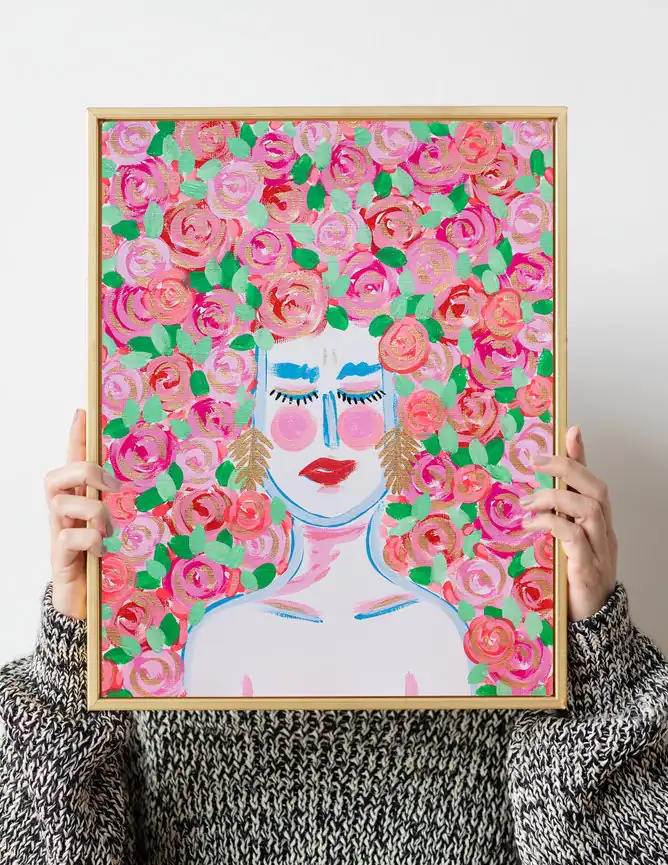
She’s hurt but she’s healing
Her expression puzzled me at first and then it hit me.
The Science Behind Art and Healing: A Closer Look
Art is more than just a pastime or form of self-expression. Studies show that engaging in creative activities can significantly impact mental, emotional, and even physical well-being. This is the foundation of what’s known as art therapy, a therapeutic approach that uses creative expression to support healing and personal growth.
What Is Art Therapy?
Art therapy is a form of expressive therapy that integrates psychotherapeutic techniques with the creative process. It’s not about the final product—it’s about the process of creating. Whether through painting, drawing, or simply playing with color and form, individuals are able to access emotions that may be difficult to articulate with words.
Professionally guided art therapy is used in clinical settings to support people dealing with anxiety, PTSD, grief, trauma, chronic illness, and more. But even outside of formal settings, simply making art—especially in a mindful, intuitive way—can offer many of the same neurological and emotional benefits.
If you’re curious to explore this further, my dear friend Mamta offers a beautiful and in-depth look at how art therapy works. You can visit her at Soul Veda to learn more about what art therapy is and how it might support your healing journey.
Proven Benefits of Creative Expression
Here are just a few of the ways engaging in creative work supports wellness:
- Stress Reduction: Art-making lowers cortisol, the stress hormone, and supports nervous system regulation.
- Emotional Clarity: Creating art can help you externalize and process difficult feelings, even without language.
- Cognitive Function: Art strengthens the connection between the left (logical) and right (creative) hemispheres of the brain.
- Self-Confidence: Expressing yourself visually can increase self-esteem, especially for children and teens.
- Mindfulness & Flow: The act of creating anchors you in the present moment, mimicking the brainwave patterns of meditation.
These outcomes have made art therapy a growing field in schools, hospitals, and trauma-informed spaces.
Art, Healing, and the Nervous System
One of the most fascinating connections between art and wellness lies in the nervous system. Whether you’re sketching in a notebook or experimenting with watercolor, you’re supporting your body in returning to a regulated state. For many people, especially those with anxiety or trauma backgrounds, the act of making art becomes a form of somatic healing—bringing safety back into the body through gentle, rhythmic movement and nonverbal expression.
Creative Expression for Parents, Kids, and Homeschoolers
As a parent, especially if you’re homeschooling or exploring alternative education paths, incorporating creativity into your daily rhythm can be a powerful tool for emotional development and regulation.
Some easy ways to bring healing art into your home include:
- Morning watercolor or drawing sessions as a reset for the day
- Keeping a communal sketchbook for emotions, scribbles, or quiet processing
- Listening to music while creating together as a way to bond
- Using art prompts to explore big feelings when words feel hard
Art isn’t just something extra—it’s an integral part of how we connect, grow, and make sense of the world.
Final Thoughts
This post barely scratches the surface of what’s possible when we invite creativity into our healing journey. Whether you’re drawn to structured art therapy or simply want to reclaim art as a tool for personal well-being, there’s no wrong way to begin.
You don’t have to call yourself an artist to benefit from the power of creative expression. You just have to start.