
Learning Photography With Only a Cell Phone
One of the biggest misconceptions about photography is that better gear automatically creates better photos.
Sure, equipment matters sometimes. But honestly? Learning how to see matters first.
iPhone Photography, Composition & Creative Observation at Mounts Botanical Garden
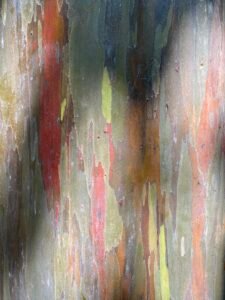
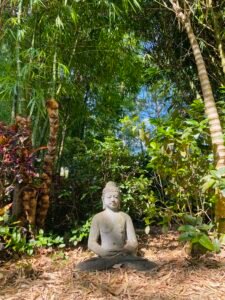
I recently spent the afternoon at Mounts Botanical Garden with a student learning photography using only a phone and a small point-and-shoot camera. We focused very little on technical perfection and much more on observation. Framing. Perspective. Light. Color. Movement. The small details most people walk right past without noticing.
Most of the images below were taken quickly on an iPhone 11 while walking the gardens and are almost completely unedited. The point was never perfection. It was learning how to notice.








Want to Learn Photography in a Hands-On Way?
If this kind of creative observation and composition work interests you, I also offer personalized beginner-friendly photography lessons focused on learning how to actually see rather than getting overwhelmed by technical gear and settings.
We can work with:
- phones
- point-and-shoot cameras
- mirrorless cameras
- DSLR cameras
Lessons are tailored to your experience level and can focus on composition, lighting, visual storytelling, editing basics, creative confidence, or developing your own visual style.
Why Learning Photography With a Phone Can Be So Helpful
There’s something strangely freeing about simply using a phone camera.
When you remove expensive gear from the equation, you stop relying on equipment to create interest for you. You start paying attention instead. To shadows cutting across leaves. To how color pulls your eye through a frame. To repetition. Contrast. Texture. Shape.
Phones force simplicity in a way that can actually sharpen your instincts as a photographer. You cannot hide behind settings and lenses quite as easily, so composition suddenly matters a whole lot more.
And those skills transfer to every camera you will ever use.






The Rule of Thirds Is Helpful… But It’s Not a Law
We spent a lot of time talking about composition throughout the lesson, especially the rule of thirds.
It’s one of those photography concepts people hear constantly, but there’s a reason for that. Slightly off-center compositions often create more movement and visual balance than placing everything directly in the middle of the frame.
But I also think beginners sometimes become too focused on “following the rules correctly,” and photography gets stiff because of it.
Some images absolutely work better centered. Some feel stronger when they’re awkward or asymmetrical. Some feel more immersive when the frame feels slightly imperfect.
The real goal is learning why an image feels balanced or emotionally interesting in the first place. Once you start noticing that, photography becomes much less mechanical.
A Rule of thirds Grid Overlay
Rule of Thirds Checker
Upload a photo to instantly overlay a simple rule of thirds grid and study your framing.





Perspective Changes Everything
One of the fastest ways to make a photo feel more intentional is simply changing your perspective.
Most people naturally take photos from standing eye level because that’s how we move through the world every day. But the second you crouch lower, shoot upward through branches, move behind foliage, or get physically closer to your subject, the image starts changing emotionally.
Some of the strongest moments during the lesson came from slowing down and experimenting instead of snapping one quick image and moving on immediately.
A few inches can completely change a photograph.
And honestly, botanical gardens are perfect for practicing this because there’s layering everywhere. Foreground. Background. Shapes overlapping shapes. Light filtering through leaves. Tiny pockets of color hidden behind larger forms.
The scene is constantly shifting depending on where you place yourself.



Color Does So Much More Than People Realize
As someone who is deeply drawn to color in both art and photography, this was one of my favorite things to explore during the afternoon.
Color is not just decorative inside a photograph. It directs attention. It creates mood. It creates tension.
Sometimes a photo works almost entirely because one unexpected color interrupts everything else happening in the frame.
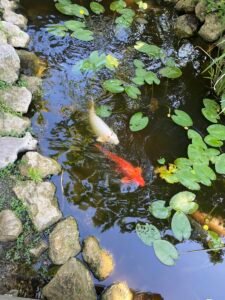
A bright orange flower against deep green foliage immediately pulls your eye. Soft muted palettes can create calmness. High contrast combinations create energy. Repetition of similar colors creates rhythm and flow.
Nature is honestly one of the best places to study this because the color relationships already exist all around you. Photography just teaches you to notice them more intentionally.
Learning to Stay With an Image Longer
One thing I kept encouraging throughout the lesson was to stop rushing.
Most people take one quick photo and immediately move on, but some of the strongest images happen after you stay with a subject for a minute.
Walk around it. Get closer. Step farther away. Wait for different light. Notice what changes when you shift your angle slightly.
Photography is often less about finding extraordinary subjects and more about learning how to observe ordinary things more deeply.
And honestly? I think that applies creatively far beyond photography too.
Developing Your Own Visual Language
This ended up becoming one of the most important parts of the entire lesson.
Because eventually photography stops being about rules and starts becoming about recognition.
You start noticing patterns in what naturally catches your attention over and over again. Certain colors. Certain textures. Certain moods. Maybe you always photograph quiet details. Maybe you’re drawn to graphic contrast. Maybe your eye always lands on movement, reflections, shadows, symmetry, softness, or layered compositions.
Your visual language develops through consistency of seeing.
You Do Not Need Expensive Equipment to Begin
There’s absolutely nothing wrong with loving cameras and photography gear. I do too.
But waiting until you own the “right” equipment before taking photography seriously usually just delays the learning process itself.
Your eye develops through observation. Through experimentation. Through taking hundreds of imperfect photos. Through noticing what keeps pulling your attention visually.
A phone is more than enough to begin learning composition, perspective, storytelling, and creative observation.
Honestly, some of my favorite images are the ones captured quickly without overthinking them too much.
Final Thoughts
I loved spending the afternoon wandering Mounts Botanical Garden teaching photography in a way that felt approachable, observational, and creatively freeing instead of overly technical.
Because photography does not have to begin with mastering every camera setting.
Sometimes it begins much smaller than that.
Sometimes it begins with simply slowing down long enough to notice something beautiful.